
How Does a PCT Patent Application Work? A Complete Guide
Innovation drives global business, technology, and science. For inventors and companies seeking international protection for their inventions, navigating patent laws across multiple countries can be complex. This is where the PCT Patent system comes in.
A PCT Patent application simplifies the process of seeking patent protection in multiple countries through a single international application. Administered by the World Intellectual Property Organisation (WIPO), the Patent Cooperation Treaty (PCT) provides inventors with more time, clarity, and flexibility to secure patent rights worldwide.
This article explains how a PCT Patent application works, including eligibility, filing processes, timelines, phases, benefits, costs, and practical strategies.
What Is a PCT Patent?
A PCT Patent refers to patent protection obtained under the Patent Cooperation Treaty, which allows an inventor to file a single international patent application and pursue protection in multiple member countries. While the PCT does not itself grant a “worldwide patent,” it streamlines the process for obtaining national or regional patents in participating jurisdictions.
The PCT system is administered by the World Intellectual Property Organisation (WIPO), headquartered in Geneva, Switzerland. It currently includes over 150 contracting states, making it the most widely used international patent filing system.
Key advantages of a PCT Patent application include:
- Centralised filing: One application can be used to seek protection in multiple countries.
- Extended timelines: Applicants have additional time before entering national phases.
- International search and preliminary examination: Helps assess patentability before significant costs are incurred.
Eligibility for a PCT Patent Application
To file a PCT Patent application, certain eligibility criteria must be met:
- Inventor or Applicant: The applicant must be a national or resident of a PCT contracting state.
- Novelty: The invention must be new and not publicly disclosed before filing.
- Industrial Applicability: The invention must be capable of industrial use.
- Inventive Step (Non-obviousness): The invention must not be obvious to a person skilled in the relevant technical field.
Importantly, a PCT Patent can be filed for a wide range of inventions, including:
- Mechanical devices
- Electronics and software
- Pharmaceuticals and chemicals
- Biotechnology
- Industrial processes
The Structure of a PCT Patent Application
A typical PCT Patent application contains several sections:
- Title of the Invention: Concise description of the invention.
- Abstract: Short summary highlighting the technical aspects and purpose.
- Description: Detailed explanation, including background, objectives, and embodiments.
- Claims: Define the scope of protection sought by the inventor.
- Drawings (if applicable): Visual representation of the invention, mechanisms, or processes.
- Sequence Listings (for biological inventions): DNA, RNA, or protein sequences if relevant.
The claims section is particularly critical, as it determines the legal protection scope.
The PCT Filing Process
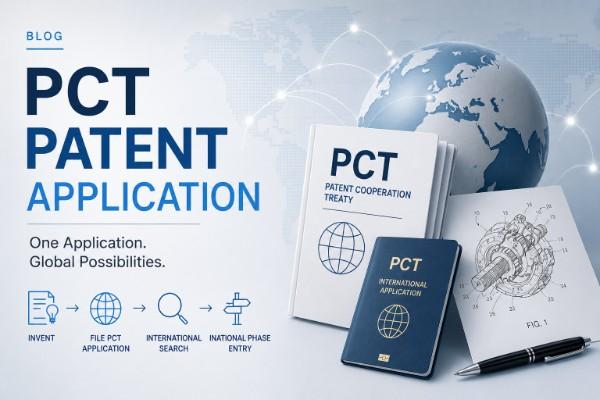
Filing a PCT Patent application involves several stages:
1. Filing the International Application
The process begins by submitting a single application to one of the following:
- The national patent office of a PCT contracting state
- The International Bureau (IB) of WIPO
- A regional patent office (e.g., European Patent Office) acting as a receiving office
The application can be filed in English, French, or other accepted languages. The date of filing establishes priority, which is crucial for novelty.
2. International Search
Once filed, an International Searching Authority (ISA) conducts a search to identify prior art that may affect patentability. The search report includes:
- Relevant patents and publications
- Assessment of novelty, inventive step, and industrial applicability
This step provides inventors with valuable insight into the likelihood of obtaining a patent before incurring national phase costs.
3. Publication by WIPO
Approximately 18 months from the priority date, WIPO publishes the international application. This makes the invention publicly available and establishes provisional international protection, allowing the applicant to claim “patent pending” status.
4. Optional International Preliminary Examination
Applicants may request an International Preliminary Examination (IPE), which provides a preliminary opinion on patentability. This step is not mandatory but can strengthen the application before entering the national phase.
Entering the National Phase
After completing the international phase, applicants must enter the national phase in each country or region where they seek protection. Key points include:
- The national phase typically begins 30 months from the priority date (may vary by country).
- Each country examines the application according to local patent laws.
- Applicants may need to provide translations, pay fees, and respond to office actions.
Entering the national phase is the stage where patent rights are actually granted in individual jurisdictions. A PCT Patent application itself does not automatically result in a patent—it facilitates entry into national patent systems.
Advantages of a PCT Patent Application
Filing a PCT Patent offers several strategic benefits for inventors:
1. Simplified International Filing
Instead of filing separate applications in multiple countries, inventors can submit a single international application, saving administrative effort and ensuring consistent documentation.
2. Extended Decision-Making Time
The PCT system provides up to 30 months from the priority date before entering the national phase. This additional time allows:
- Assessment of commercial potential
- Securing funding or partnerships
- Conducting market research and feasibility studies
3. Cost Management
By delaying national phase filings, applicants can manage costs more efficiently, avoiding unnecessary expenses in countries where protection may not be commercially viable.
4. Early Feedback on Patentability
The international search report and preliminary examination offer insights into potential objections, novelty issues, or prior art challenges. This allows applicants to refine claims and improve success rates.
5. Worldwide “Patent Pending” Status
Once published by WIPO, the invention can be marked as patent pending, signalling to competitors that protection is being sought internationally.
Costs Associated with a PCT Patent
While the PCT system streamlines filing, costs can still be substantial:
- Filing Fees: Paid to the receiving office or WIPO
- Search Fees: Charged by the International Searching Authority
- Preliminary Examination Fees (if requested): For the optional IPE
- Translation Costs: Required for entering national phases in non-English-speaking countries
- National Phase Fees: Paid to individual countries for examination and grant
Strategic planning can optimise costs by selecting key jurisdictions and deciding whether to request an international preliminary examination.
Strategies for a Successful PCT Patent Application
- Early Prior Art Search: Conduct a thorough search before filing to ensure novelty.
- Professional Drafting: Hire a patent attorney to draft clear, robust claims.
- Strategic Jurisdiction Selection: Choose countries where commercial potential is high.
- Monitor Deadlines: Carefully track international and national phase deadlines to avoid loss of rights.
- Consider Licensing: Use the PCT system to explore licensing or partnerships internationally before entering costly national phases.
Common Misconceptions About PCT Patents
- “A PCT Patent Grants Global Protection”: False. A PCT Patent facilitates international filing but does not itself grant patents. Protection is ultimately granted by national or regional patent offices.
- “The International Phase Guarantees Patent Grant”: False. The international phase provides a search and preliminary examination but cannot compel countries to grant a patent.
- “All PCT Members Must Grant the Patent”: False. Each member country applies its own laws to decide whether to grant a patent.
Case Studies
1. Pharmaceutical Innovations
Pharmaceutical companies often use the PCT system to secure rights for new drugs across multiple countries before conducting global clinical trials. This strategy protects valuable investments and ensures broad protection once the product is commercialised.
2. Technology Startups
Tech startups developing innovative devices or software can leverage the PCT system to file a single international application. This allows them to attract investors and establish global patent pending status while managing costs.
3. Agricultural Biotech
Biotech firms use PCT Patent applications to protect genetically modified crops or innovative agricultural processes. The system allows them to secure international priority before negotiating partnerships or commercialisation deals.
The Future of PCT Patent Applications
As globalisation accelerates, the PCT Patent system becomes increasingly relevant. Key trends include:
- Digital Filing and AI Tools: WIPO is integrating AI-based tools to improve search and examination efficiency.
- Expanding Membership: More countries joining the PCT system increases international reach.
- Focus on Emerging Technologies: PCT filings in AI, biotechnology, and green technologies are growing rapidly.
- Global Collaboration: Inventors can use the PCT system to manage worldwide IP portfolios strategically and cost-effectively.
Conclusion
A PCT Patent application is a powerful tool for inventors seeking international protection. By centralising filing, providing early feedback, and delaying costly national phase filings, the PCT system simplifies the complex process of securing patents in multiple countries.
Understanding how a PCT Patent works—from eligibility and filing to international and national phases—allows inventors and companies to protect their innovations strategically. While a PCT application does not grant a patent by itself, it offers a structured, efficient pathway to achieve worldwide protection, manage costs, and assess commercial viability.
For inventors and businesses aiming to expand globally, the PCT Patent system is an essential component of modern intellectual property strategy, enabling innovation, investment, and international competitiveness.
Need Help Protecting Your Innovation?
We provide patent, trademark and product development services. Get in touch to turn your idea into a market ready product.
Learn More