
European Patent System: A Comprehensive Overview
The European Patent System is a critical framework that governs the granting, enforcement, and management of patents across Europe. It is designed to streamline the patent process, providing inventors and businesses with a single mechanism to obtain patent protection in multiple European countries. Understanding the European Patent System is essential for innovators, businesses, and legal professionals seeking to safeguard their inventions in one of the world’s largest economic regions.
This article provides an in-depth analysis of the European Patent System, covering its structure, application procedures, enforcement mechanisms, benefits, challenges, and practical considerations for inventors and businesses.
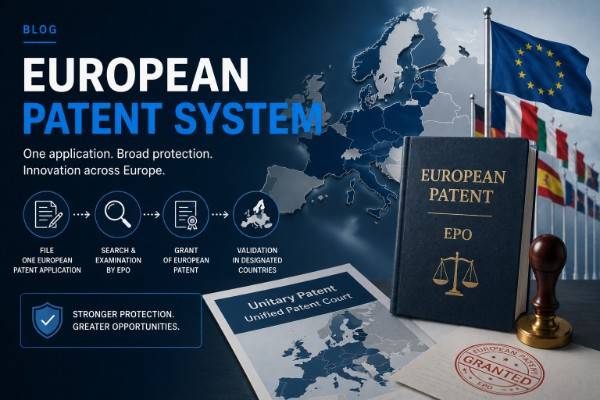
What is the European Patent System?
The European Patent System refers to the network of legal frameworks and procedures governed primarily by the European Patent Convention (EPC). The system allows inventors to file a single patent application with the European Patent Office (EPO) that can lead to patent protection in multiple European member states.
The primary goal of the European Patent System is to simplify the process of obtaining patents across Europe, reduce administrative costs, and provide a standardised mechanism for granting patent rights. The system covers a wide array of technical inventions, including pharmaceuticals, mechanical devices, electronics, biotechnology, and software innovations.
Key Components of the European Patent System
The European Patent System comprises several essential components:
1. European Patent Convention (EPC)
The EPC is a multilateral treaty that established the legal and procedural framework for granting European patents. Key features include:
- Unified application procedures for multiple European countries
- Centralised examination by the European Patent Office
- Standardised requirements for patentability, including novelty, inventive step, and industrial applicability
2. European Patent Office (EPO)
The EPO is the central administrative body responsible for examining patent applications under the European Patent System. Its responsibilities include:
- Receiving and processing European patent applications
- Conducting substantive examination for patentability
- Granting or refusing patents based on EPC criteria
- Publishing patent applications and granted patents
3. National Patent Offices
Once a European patent is granted, it must be validated in individual member states to obtain legal effect. Each national patent office manages enforcement, maintenance fees, and translations as required.
Scope of the European Patent System
The European Patent System covers inventions in any technological field, provided they meet the requirements of patentability:
- Novelty: The invention must be new and not disclosed in prior art.
- Inventive Step: The invention must involve a non-obvious solution compared to existing knowledge.
- Industrial Applicability: The invention must be capable of being made or used in an industry.
Excluded subject matter includes:
- Scientific theories and mathematical methods
- Discoveries and natural phenomena
- Aesthetic creations, such as artworks or literary works
- Methods for performing mental acts, playing games, or doing business (unless they have a technical character)
Filing a European Patent Application
The European Patent System provides a standardised process for filing and prosecuting patent applications. The main steps include:
1. Preparing the Application
Applicants must prepare a detailed specification, including:
- Description of the invention
- Claims defining the scope of protection
- Drawings (if necessary)
- Abstract summarising the invention
2. Filing the Application
Applications can be filed directly with the EPO or via national patent offices acting as receiving offices. The application must meet formal requirements, such as payment of filing fees and submission in an official language (English, French, or German).
3. Formalities Examination
The EPO conducts a preliminary examination to ensure the application complies with formal requirements. Missing elements or errors can delay processing.
4. Search Report
The EPO performs a comprehensive search of prior art and issues a European search report, highlighting relevant references that may affect patentability. This step helps the applicant assess the likelihood of success.
5. Substantive Examination
After filing a request for examination, the EPO evaluates the invention against novelty, inventive step, and industrial applicability requirements. Objections or rejections can be addressed through responses and amendments.
6. Grant of European Patent
If the EPO concludes that the application meets all requirements, the patent is granted. The decision is published in the European Patent Bulletin, and the applicant must validate the patent in designated member states to enforce rights.
Validation and Enforcement
The European Patent System requires post-grant validation in individual member states. This may involve:
- Filing translations of the patent claims and description
- Paying national fees
- Complying with local regulations
Once validated, the patent is enforceable under national laws. Enforcement mechanisms include:
- Injunctions against infringers
- Damages for unauthorised use
- Seizure or destruction of infringing products
Advantages of the European Patent System
1. Streamlined Application Process
The European Patent System allows inventors to file a single application to seek protection in multiple European countries, reducing administrative burdens and costs.
2. Standardised Examination
The EPO provides consistent examination standards, ensuring the quality and reliability of granted patents.
3. Economic and Strategic Benefits
Patents granted under the European Patent System provide market exclusivity, competitive advantage, and opportunities for licensing or commercialisation.
4. Legal Certainty
The centralised examination and adherence to EPC rules provide legal clarity, making enforcement and litigation more predictable.
5. Flexibility
Applicants can designate member states selectively, allowing strategic decisions based on market potential and business priorities.
Challenges in the European Patent System
Despite its advantages, the European Patent System presents certain challenges:
1. Cost
Filing, prosecution, and validation costs can be high, especially when translating patents into multiple languages and paying national fees.
2. Complexity
Navigating procedural requirements, responding to objections, and managing multiple national validations can be complex and time-consuming.
3. Enforcement Across Borders
While the EPO grants the patent, enforcement is subject to national laws. Coordinating legal action across multiple jurisdictions can be challenging.
4. Patent Opposition
Third parties may oppose a granted European patent within nine months of grant, leading to potential revocation or limitation of patent rights.
5. Patent Quality and Litigation
High-value patents may attract litigation, requiring careful drafting and strategic management to avoid disputes.
Recent Developments in the European Patent System
The European Patent System has evolved to address modern technological challenges and streamline processes:
1. Unitary Patent and Unified Patent Court
The Unitary Patent (UP) system and Unified Patent Court (UPC) aim to simplify patent protection and enforcement across participating EU countries, reducing duplication and litigation costs.
2. Digitalisation
The EPO has implemented online filing systems, electronic communications, and AI-assisted search tools to improve efficiency and accessibility.
3. Patentability of Emerging Technologies
The European Patent System has clarified guidelines for AI, biotechnology, and software patents, ensuring adaptability to emerging fields.
4. Harmonisation with International Treaties
The EPC and EPO procedures are aligned with international agreements such as the Patent Cooperation Treaty (PCT), facilitating global patent strategies.
Practical Considerations for Applicants
To maximise the benefits of the European Patent System, applicants should consider:
- Early Filing: File promptly to secure priority and avoid prior art issues.
- Professional Assistance: Engage patent attorneys familiar with EPC procedures.
- Strategic Designation: Select countries based on market size, industry relevance, and enforcement feasibility.
- Monitoring and Enforcement: Regularly monitor competitors and market activities to prevent infringement.
- Cost Management: Budget for translations, fees, and post-grant maintenance to ensure long-term protection.
Case Studies
1. Pharmaceutical Patents
European pharmaceutical companies often rely on the European Patent System to protect innovative drugs. Centralised examination ensures robust patent protection across multiple countries, critical for high-investment industries.
2. Technology Patents
Tech companies utilise the European Patent System to safeguard innovations in AI, software, and electronics, enabling licensing and strategic partnerships across Europe.
3. Industrial Design Protection
Manufacturers in automotive and consumer products use European patents to protect technical features and industrial designs, preventing unauthorised replication.
Future of the European Patent System
The European Patent System is evolving to address global challenges:
- Increased focus on digital innovation and AI-related inventions
- Greater harmonisation through the UPC and Unitary Patent system
- Expansion of online services for filing, monitoring, and enforcement
- Improved access for SMEs and individual inventors to European patent protection
Conclusion
The European Patent System provides a comprehensive, standardised framework for protecting inventions across Europe. It offers significant benefits, including streamlined application procedures, legal certainty, and strategic flexibility. However, applicants must navigate challenges related to cost, complexity, enforcement, and opposition.
By understanding the procedures, requirements, and strategic considerations of the European Patent System, inventors and businesses can effectively protect their innovations, gain competitive advantage, and leverage their intellectual property for commercial success.
In an increasingly globalised and innovation-driven economy, the European Patent System remains a vital tool for safeguarding technological and industrial advancements across Europe.
Need Help Protecting Your Innovation?
We provide patent, trademark and product development services. Get in touch to turn your idea into a market ready product.
Learn More